· 3 min read
The real cost of manual onboarding in BPOs
Manual onboarding in Philippine BPOs means bench time, burnout, security risks and no tracking. What it costs and how automating onboarding helps.

Philippine BPOs run on efficiency and tight turnaround times, because they compete in a global market. Yet for many HR managers and IT heads, onboarding new employees is still manual, repetitive and full of errors.
So what does sticking with the old way of onboarding cost, and what can you do about it?
Time Delays That Hurt Productivity
Manual onboarding involves a lot more than paperwork.
It usually means preparing employment contracts, setting up email and software access, collecting documents, issuing hardware and arranging training. Each step needs coordination, manual data entry and a lot of follow-ups.
BPOs hire often and frequently in bulk, so even a small delay can turn into the dreaded "bench time", when new hires sit idle because they don't have the tools or information they need yet.
Multiply those lost hours by the dozens or hundreds of new recruits who join each month, and the hidden costs add up fast.
In practice, manual onboarding often means:
- Days spent waiting for email and software accounts to be set up
- Repeated follow-ups between HR, IT, and department leads
- Inconsistent document handling, risking compliance issues
- Higher chance of errors, missed steps, and lost information
Hidden Operational Costs
Beyond the time, doing it by hand drains a BPO's efficiency in other ways.
1. Burnout and Overwork
HR and IT support spend hours and hours on repetitive manual tasks. They end up exhausted, with less energy for the work that matters more, like employee engagement, retention and process improvement.
2. Increased Mistakes and Security Risks
People typing data in by hand make mistakes. Incomplete onboarding can lead to unauthorized access, missed compliance requirements and trouble later when the employee is offboarded, and that puts sensitive client data and contracts at risk.
3. Lost Productivity
Add up the delays and errors, and new employees can't deliver from Day 1. Projects get held up, client SLAs get missed, and your reputation as an employer-of-choice suffers. Competition among BPOs is fierce, so small inefficiencies make a big difference.
4. Lack of Insight and Tracking
Without digital workflows it is nearly impossible to see where the bottlenecks are or track trends over time. HR and IT leaders end up "flying blind" when they could be using data to improve hiring, training and operations.
Why Automating Onboarding Matters
Automating onboarding with the right workplace apps or SaaS tools removes the manual bottlenecks, and it helps your BPO operations in four more ways.
- New hires get everything they need, apps, devices and training, on Day 1.
- Processes are the same across every location and role, which makes audits easier and lowers risk.
- You can handle peak hiring seasons without overloading your core teams.
- You can track every step of onboarding, spot delays immediately, and adjust your processes using real data.
Many leading BPOs have already switched and are seeing measurable improvements: faster productivity, fewer security incidents and happier teams.
What can you do about it?
Manual onboarding may feel familiar, but its hidden costs slow your business down, frustrate your teams and hold back your growth, and there are better ways to do it now.
If you want to see how to simplify these processes in your company, with tips for BPO environments, join our free upcoming webinar, "Simplify Operations: Employee Lifecycle Automation with SaaS Tools."
You will learn:
- Practical tools and checklists you can use in your own company ASAP
- Steps to start automating, even with limited resources
- Real-world success stories from BPOs who have automated employee onboarding
Click here to reserve your webinar spot.
More from the blog

July 29, 2025 · 4 min read
Workplace app management: the four levels and how to move up
A 21-question self-check for operations, HR and IT leads, with the four levels of workplace app management and what to do at each.
July 9, 2025 · 3 min read
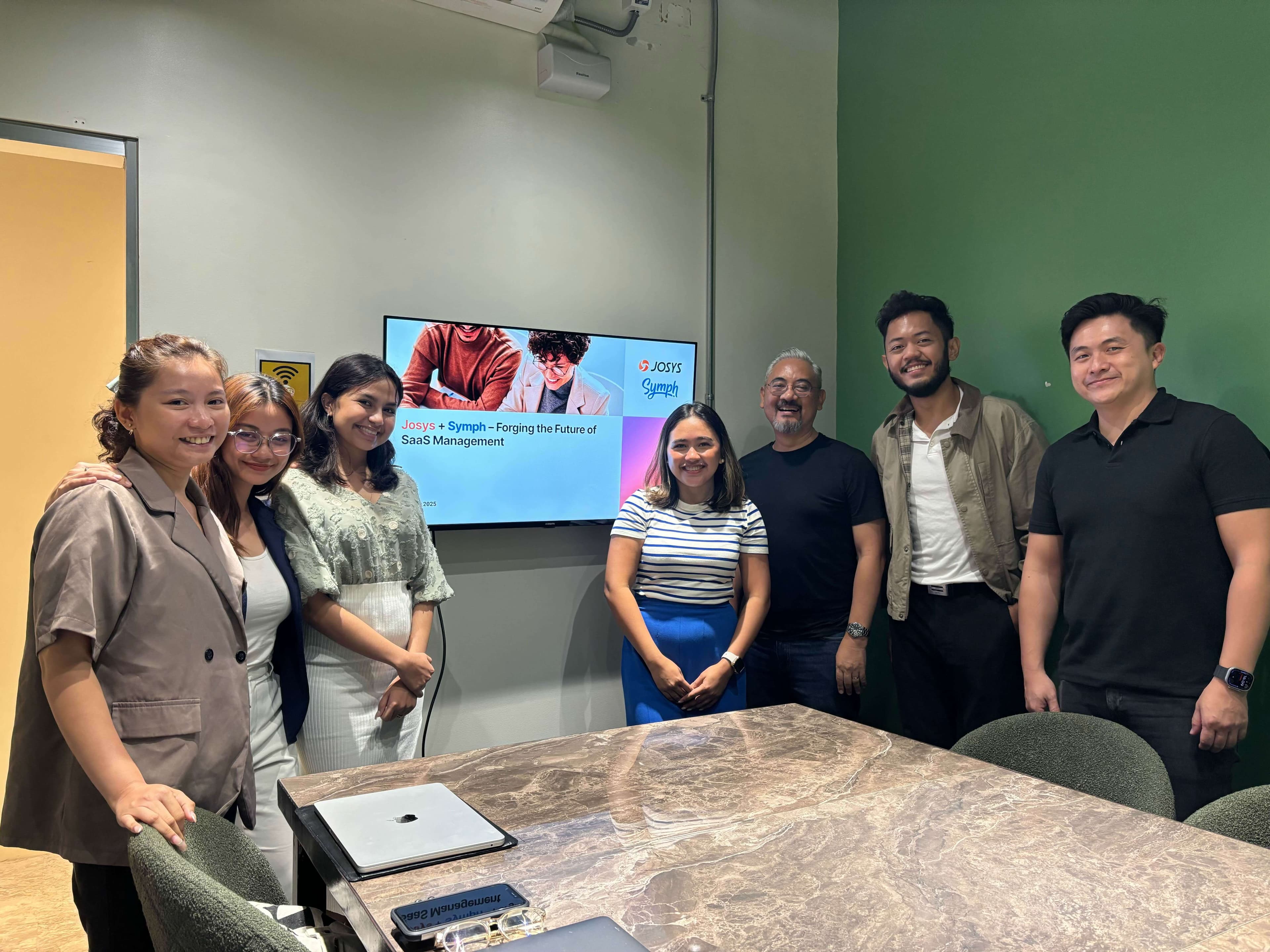
Symph partners with Josys on SaaS management for enterprise teams
Symph is now an implementation partner of Josys. We will lead local implementation, onboarding and support for its SaaS and IT asset management platform for Philippine enterprises.

May 22, 2025 · 2 min read
Project DIME: Tracking Public Infrastructure Spending for Every Filipino
DBM, DPWH and UP NOAH launched Project DIME so Filipinos can follow infrastructure spending from budget to completion. Symph is helping build it.