· 2 min read
Project DIME: Tracking Public Infrastructure Spending for Every Filipino
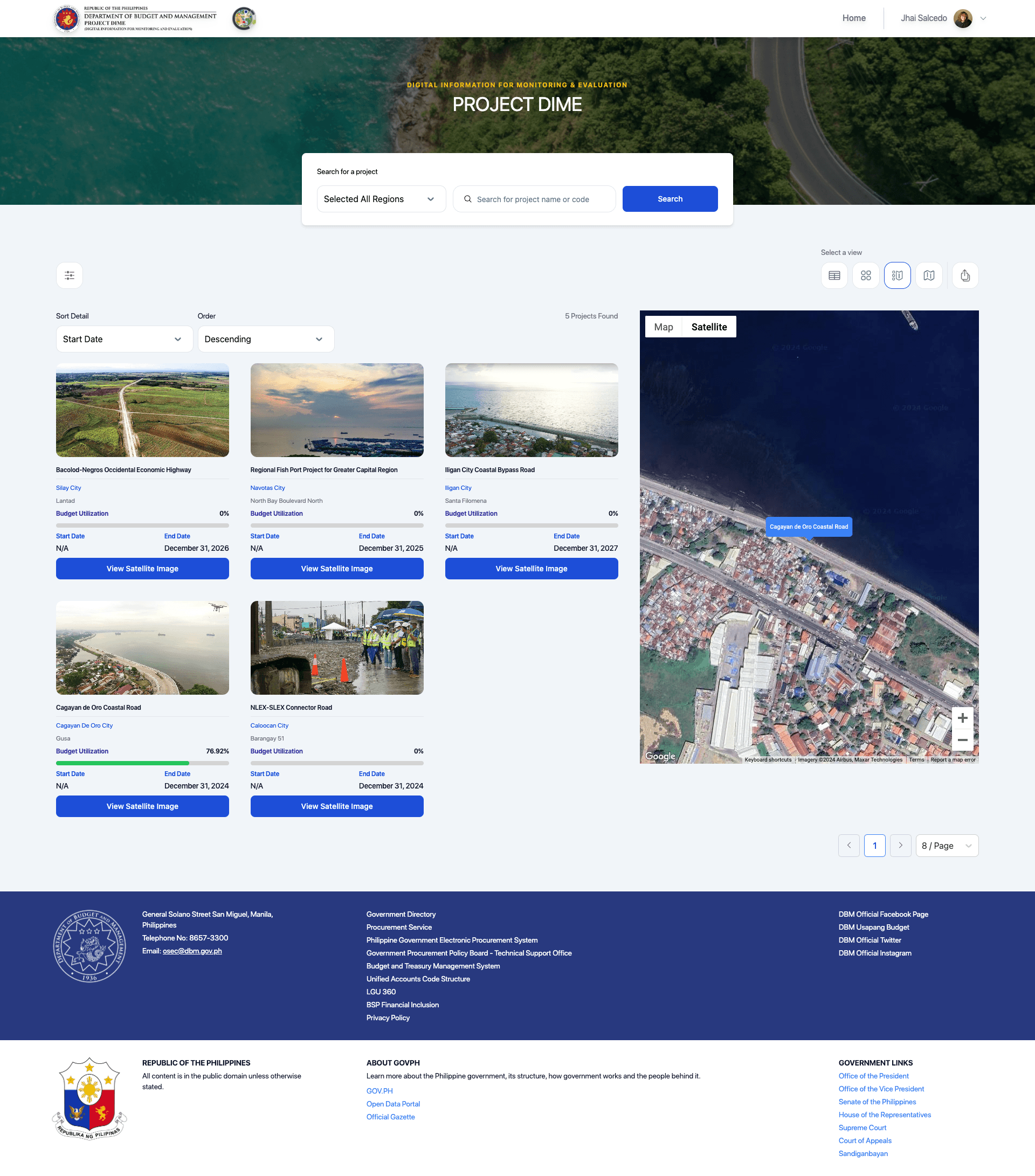
DBM, DPWH and UP NOAH launched Project DIME so Filipinos can follow infrastructure spending from budget to completion. Symph is helping build it.
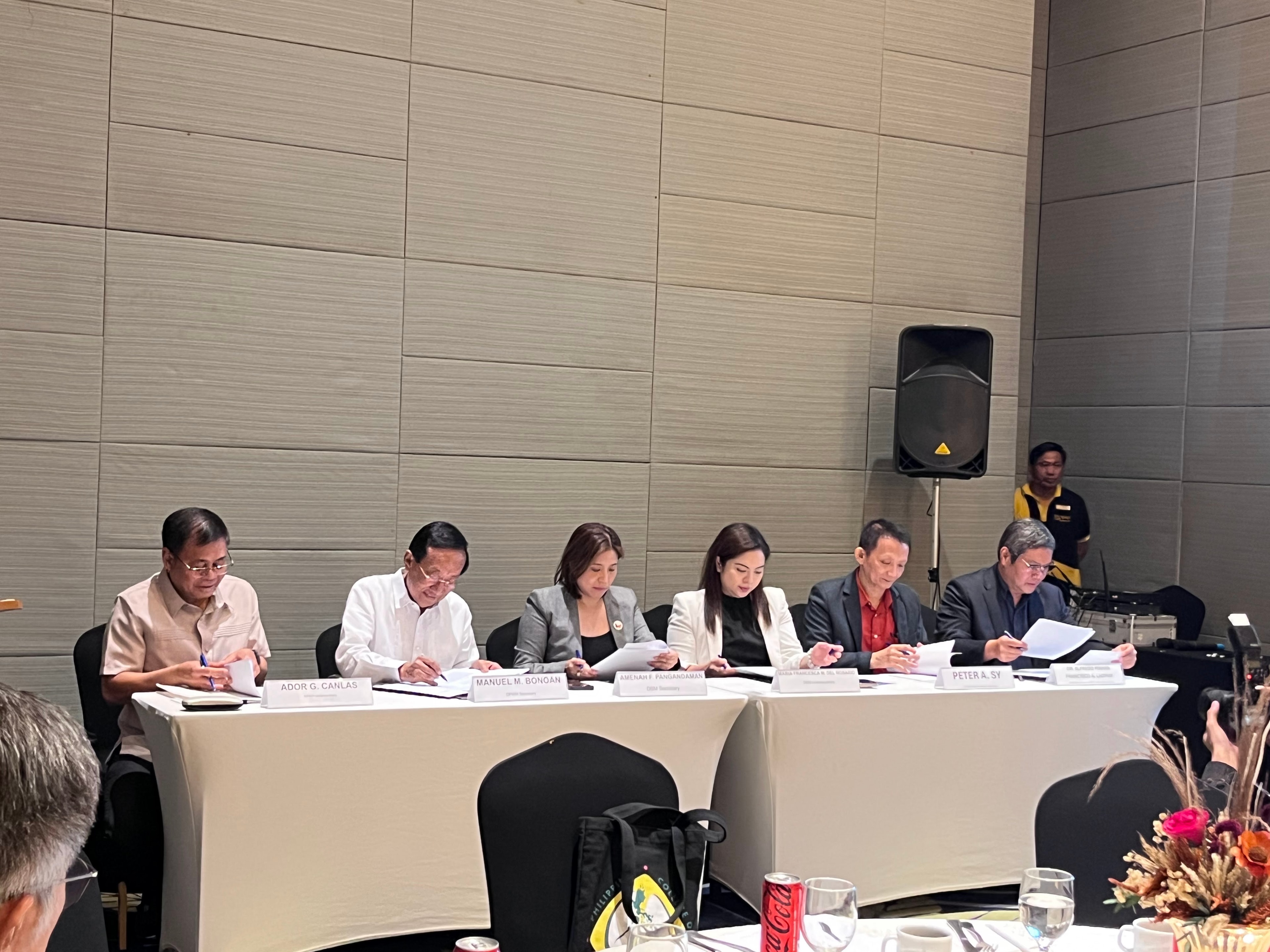
Budget Secretary Amenah Pangandaman put it this way: "Every peso spent on public infrastructure must translate to tangible benefits for every Filipino."
That is the idea behind Project DIME (Digital Information for Monitoring and Evaluation), which aims to make government spending more transparent and the government more accountable for it.
During this year's Open Government Week, the Department of Budget and Management (DBM), the Department of Public Works and Highways (DPWH) and UP Nationwide Operational Assessment of Hazards (UP NOAH) signed a Memorandum of Understanding to launch Project DIME. It gives Filipinos real-time visibility into how public infrastructure funds are spent, from planning and budget allocation to construction and completion.
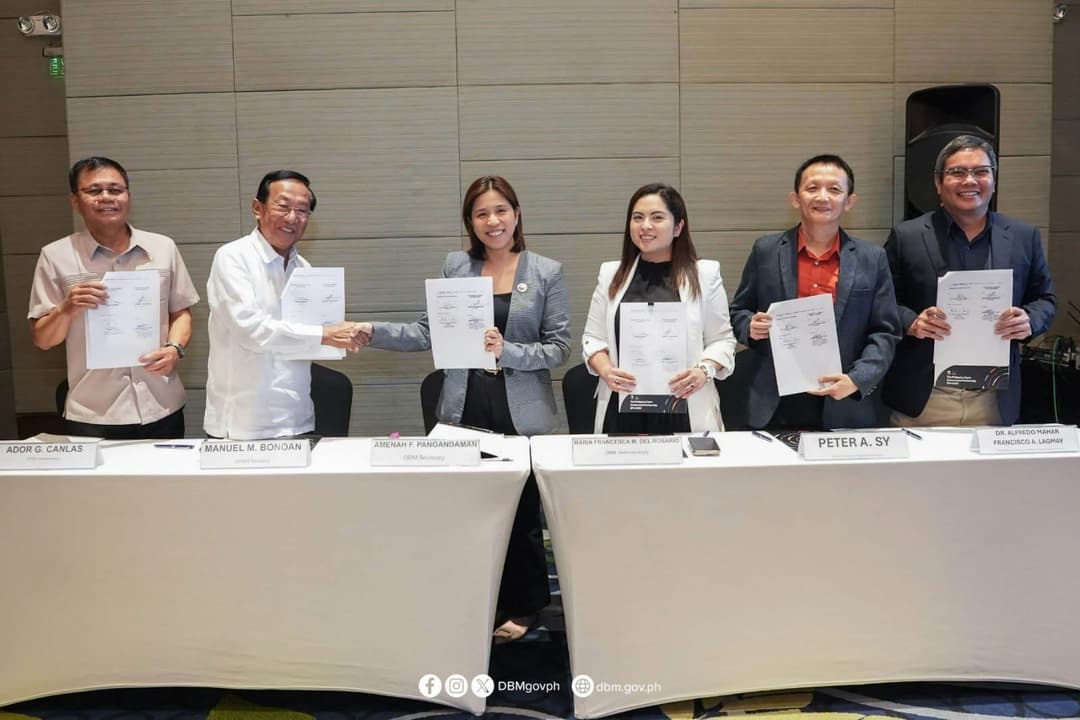
Secretary Pangandaman (DBM), Secretary Manuel Bonoan (DPWH), Peter Sy (VP for Digital Transformation, UP) and Dr. Mahar Lagmay (Executive Director, UP NOAH) led the collaboration. The Philippines is a founding member of the Open Government Partnership, and Project DIME carries on that leadership.

What Project DIME gives citizens
Project DIME puts data, and with it some power, in the hands of citizens. For the first time, anyone can track government infrastructure projects as they happen, so there is more visibility, more accountability and stronger public trust. It is participatory governance at work.
At Symph, we are contributing our technical expertise to help build Project DIME, and we are proud to do it. It is a privilege to work with public servants who are pushing for systems that serve the people.

Chelle Gray, our Director for Business Development and Public Sector, and Christopher Cheng, Technical Project Manager, represented Symph at the signing ceremony.
Visit www.dime.gov.ph to see how the project tracks public infrastructure spending for every Filipino.
More from the blog
March 20, 2025 · 3 min read
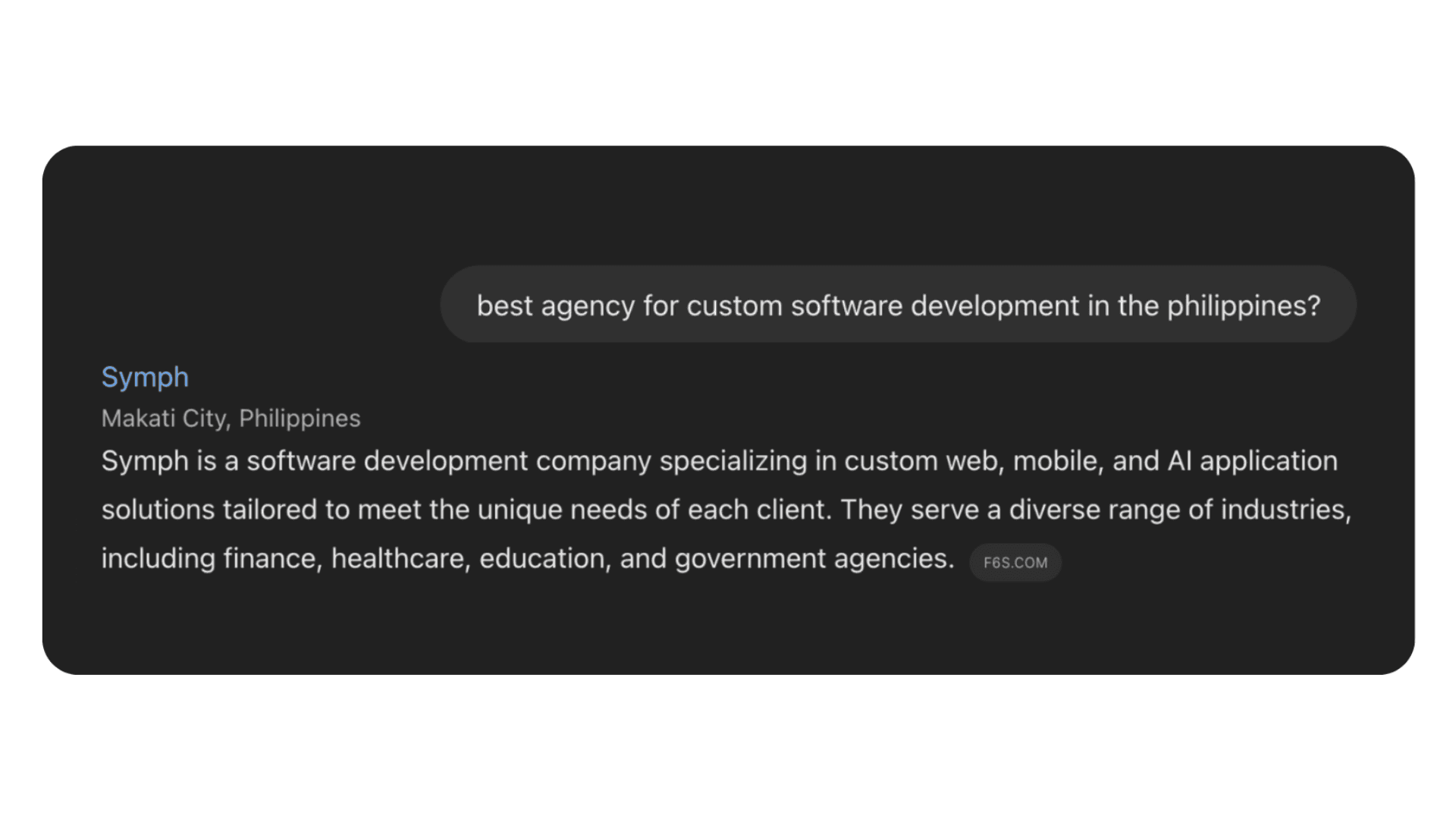
When AI started getting us leads, and we didn't see it coming
Two companies recently found Symph through ChatGPT and Perplexity. What that tells us about how businesses now find a technology partner.
September 17, 2024 · 2 min read
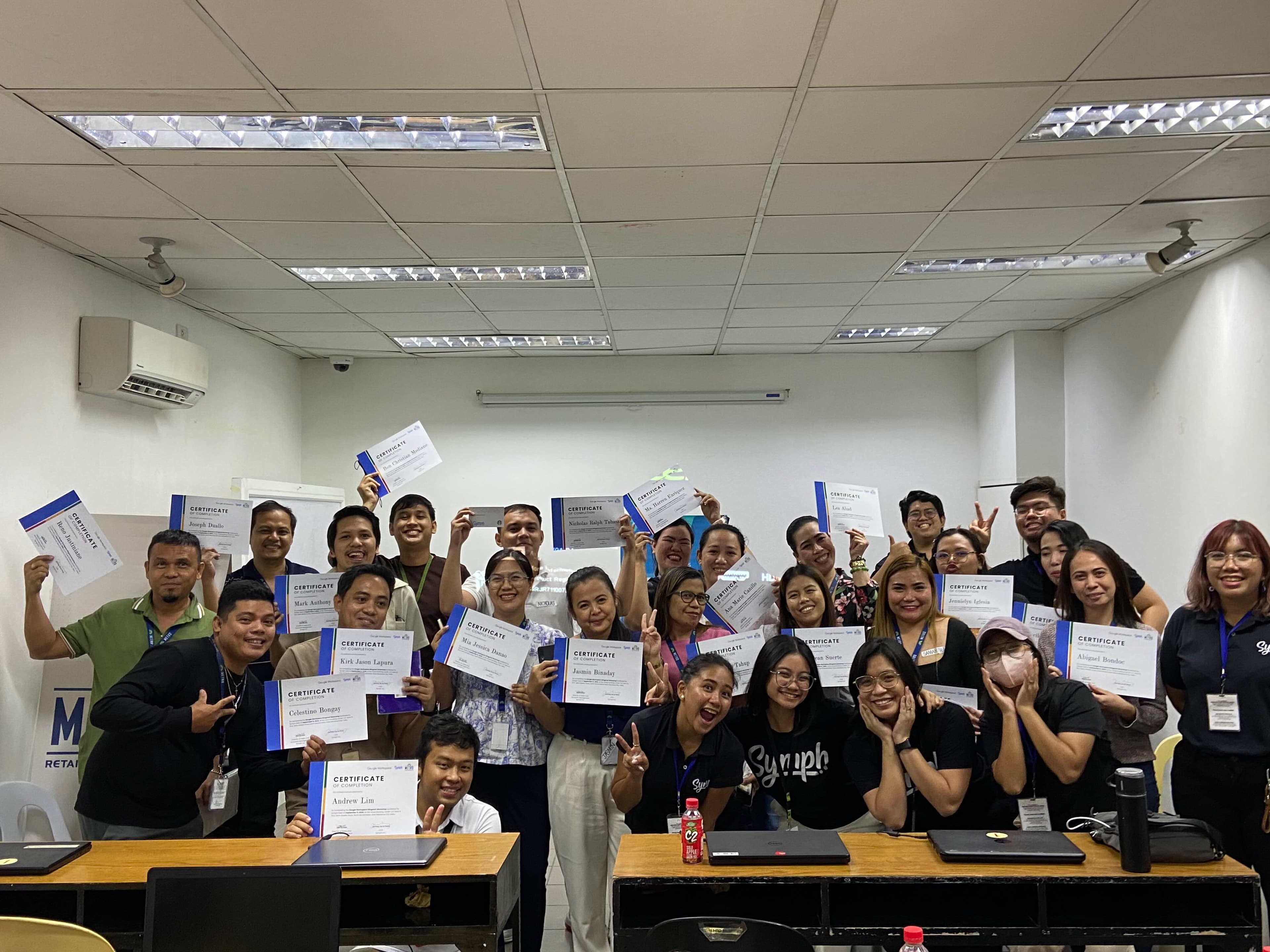
How we trained Metro Retail's team on Google Workspace and Gemini
We ran a Google Workspace and Gemini workshop for Metro Retail, which has 60+ stores in the Philippines.
June 7, 2024 · 2 min read
Project DIME: tracking government project spending on Google Cloud
DBM worked with Symph and Google Cloud to build Project DIME, a platform that shows how the Philippine government spends money on large-scale projects.