· 4 min read
How we built the Freedom of Information Portal in 2 months
We built the Philippine Freedom of Information Portal in 2 months with government stakeholders and World Bank consultants. How it went, week by week.
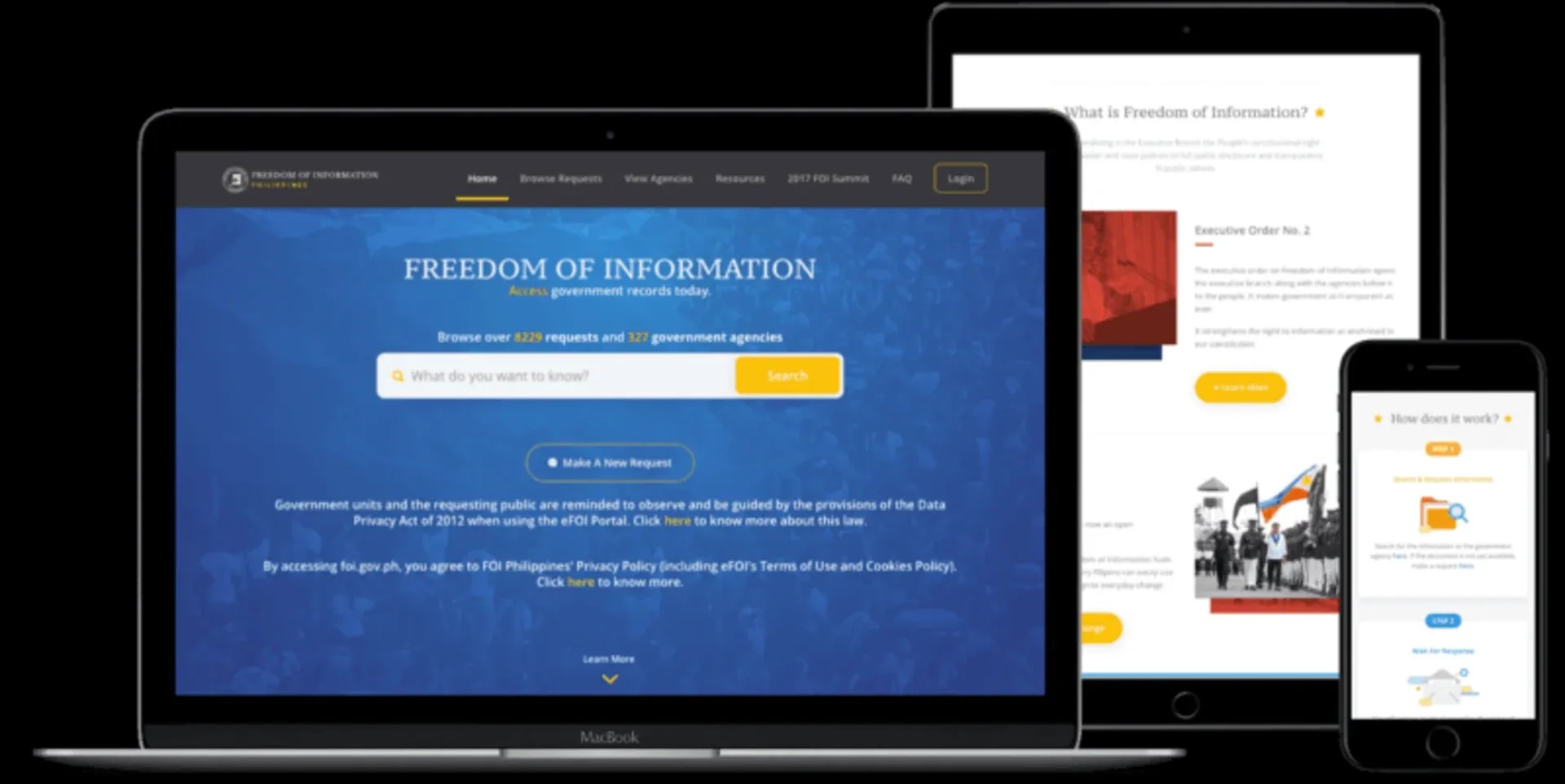
When the President of the Philippines signed Executive Order #2 on July 23, 2016, he gave government offices 120 days to get ready to answer Freedom of Information (FOI) requests from the public. The whole FOI program had to launch by the last week of November.
We got a call in September asking if we could build the Freedom of Information Portal, the cornerstone of the program, and work with the government on the process underneath it. The platform had to be ready to launch in 2 months.
We love building things that could have a large impact, so we said "Yes!" without hesitating. Then we had to move fast, and by fast we mean insanely fast.
The first question on the table was "How do we make an online portal in 2 months?"
Any one of the 100 million Filipino citizens had to be able to submit a request for information to any of the hundreds of offices of the Philippine government, and get it handled efficiently and on time. Governments are not known for their efficiency, to be honest, so we had quite a challenge on our hands.
We put together a cross-functional team of developers, designers, government stakeholders and consultants from the World Bank to work on it.
Week 1
Francis, our designer, got started right away on a mockup of how the portal would look, and the team loved it.
That gave everyone a clear, shared picture of where we were headed. With so little time we could not afford misalignment of any kind, and everyone had to be working toward the same goal if we wanted to make the deadline.
Then the devil was in the details, and the team had questions like these.
- "How will the site actually work?"
- "How will the users prove that they are a Filipino citizen?"
- "How will the remote offices know about the request?"
- "How will they respond?"
- "What happens if they don't respond right away?"
- "How will we notify the requestor that there is already a response to their request?"
Week 2
We knew what we wanted in the big picture, but the details were still hazy, and we had to get the whole team clear and aligned quickly.
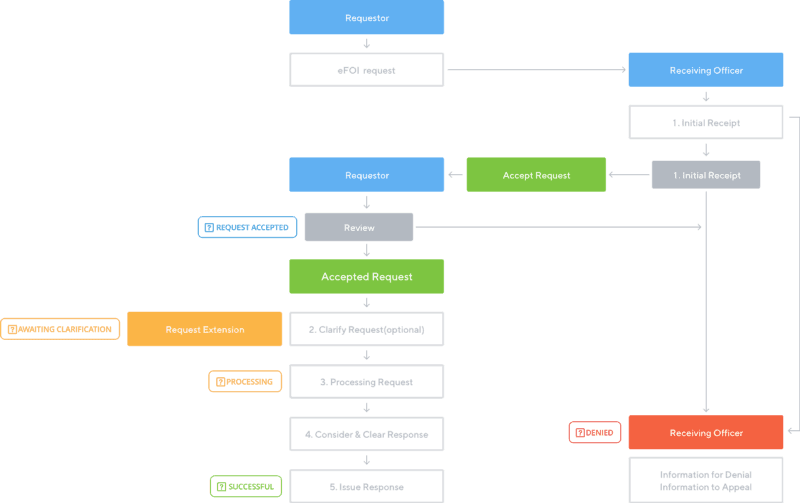
We made a detailed flowchart of how the entire system would work and how users would interact with it. The World Bank representative told us how eFOI portals in other countries worked, the government stakeholders checked our ideas against the reality in the field, and we connected the dots and put it all together. It was a full team effort.
Week 3
The plan looked good on paper, so it was time to get our hands dirty. The development team worked hard and had a test site up by the end of the week. It could not do everything yet, but the frame was there, and the whole team was thrilled.
Then the additional feature requests came in.
- "Wouldn't it be nice if we could also do this?"
- "How about if we could..."
- "I think we should also let the..."
- "We need a dashboard where we can see..."
- "But this feature is also very important..."
We had less than 5 weeks left before launch and the feature requests were starting to overwhelm us, so we split the team.
Our developers focused on making the portal usable and stable. Dave, our CEO, kept showing people what we had built, gathered their feedback, and ruthlessly prioritised and de-prioritised feature requests as they came in. 4 weeks passed in a blur.
Final week
We received an official invitation to the launch event at the Malacañang Palace, so the launch was really happening, and the portal had to give its users a good experience on launch day.
We knew the users' first impression would decide whether the project succeeded, so we put aside the feature requests that were not critical and spent the time polishing the features we already had.
The launch was well received. Since then the portal has processed over 10,000 requests across 350 government offices.
My personal favorite was a request for the MRT train system soundtrack which says,
"Paparating na po sa Cubao station... Approaching Cubao station..."
I am not sure how it will be used, but that is Freedom of Information at work.
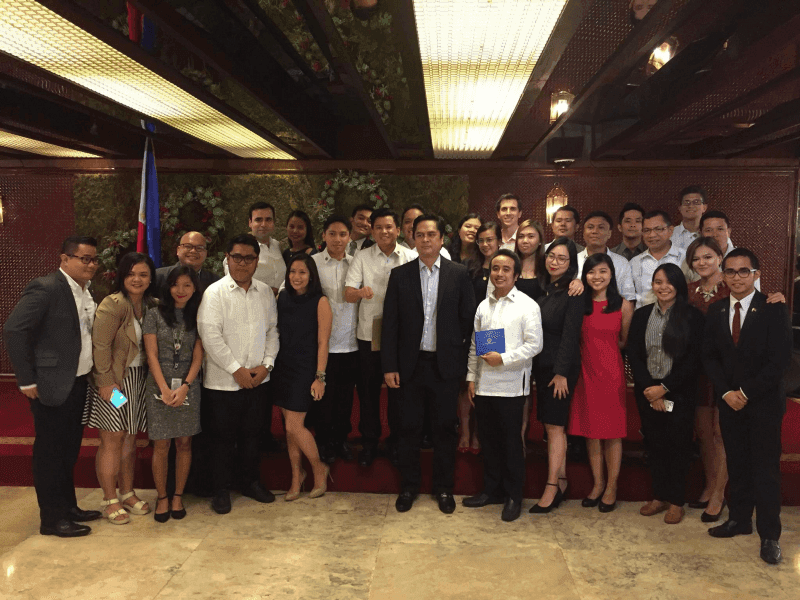
Launch day at Malacañang Palace, with government officials and staff from the Office of the President, the World Bank consultants and the Symph team.
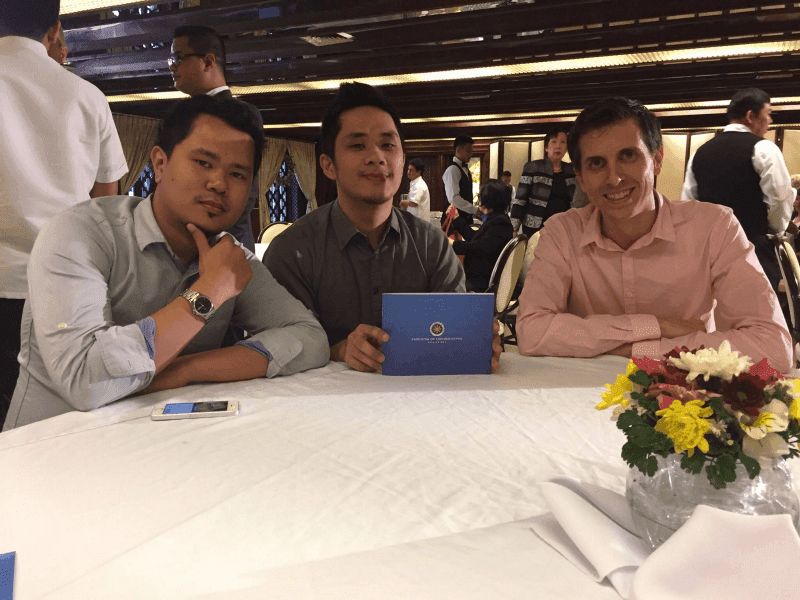
Our team, from left to right: Francis (Designer), Kent (Developer) and Dave (CEO).
You can read more about our work on the eFOI project here.
More from the blog
October 19, 2022 · 1 min read
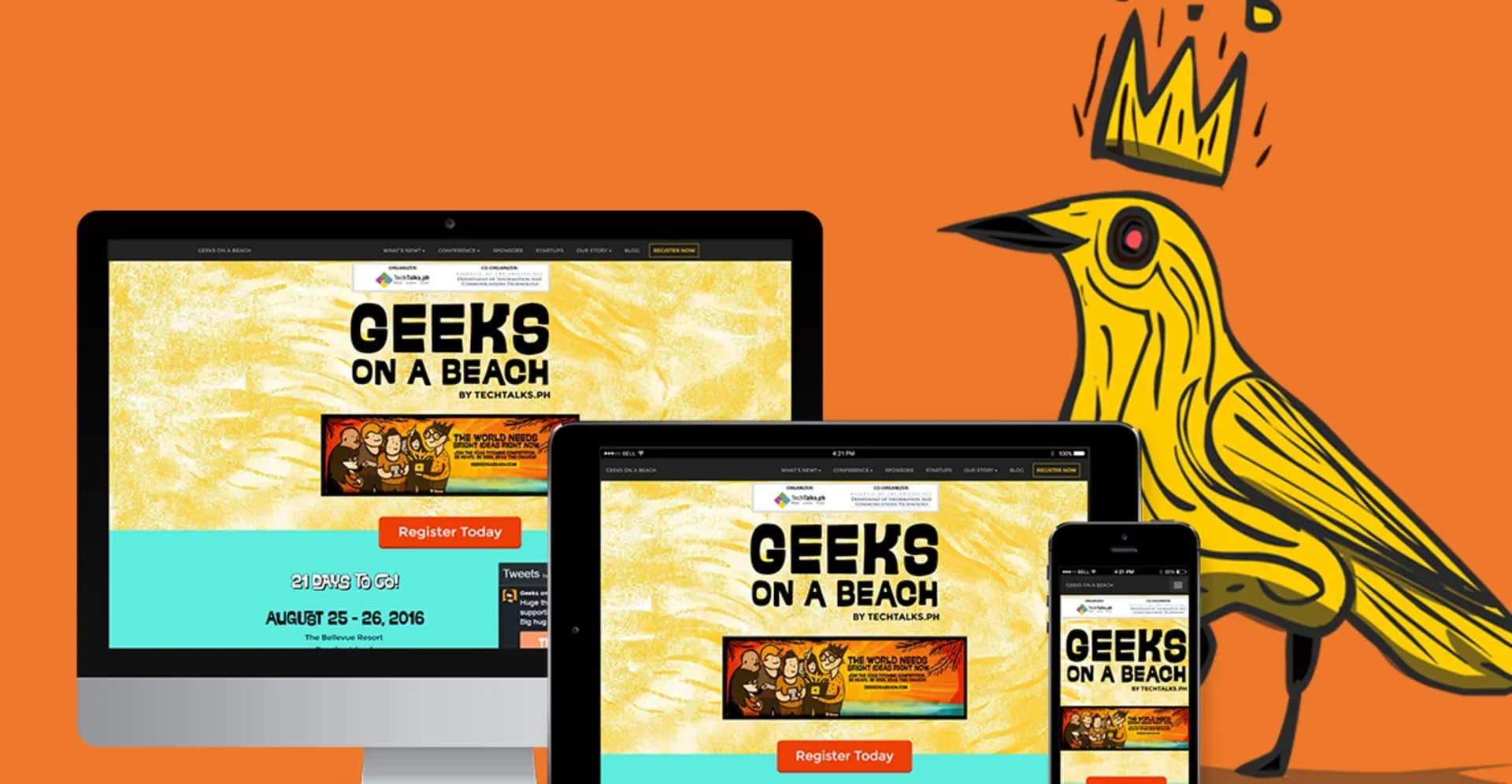
Symphfolio: Geeks On A Beach
Symph has built the Geeks on A Beach event website since 2012, with branding and design elements from Happy Garaje.
October 19, 2022 · 2 min read
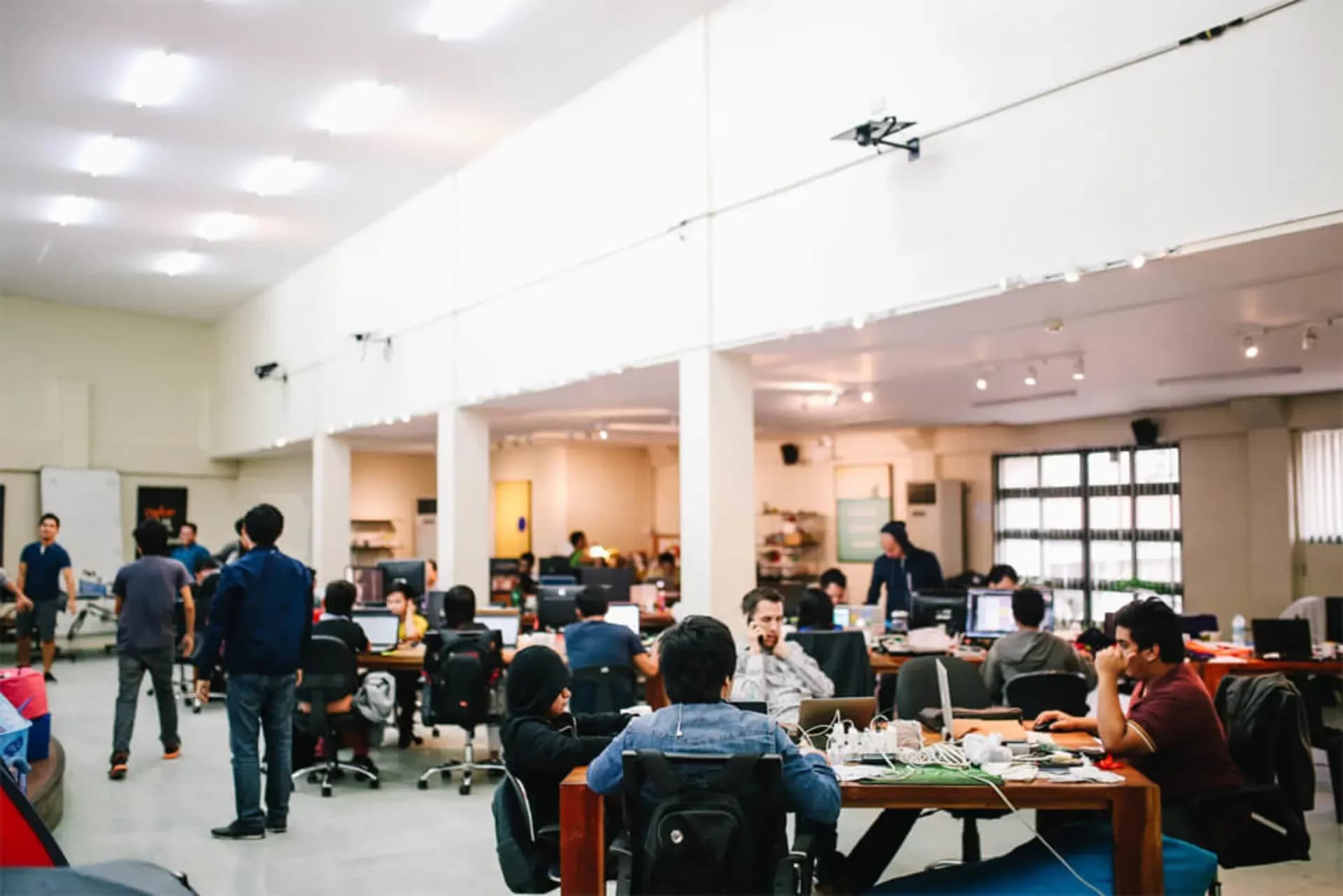
What Makes the Symph Office
We wanted the Symph office to be more than cubicles and monitors. Each piece in it stands for someone on the team, and the space invites imagination and play.

October 19, 2022 · 3 min read
Ask Symph Vol.III: Internship
The questions aspiring Symph interns ask us most, from when to apply and what we look for to how to send your sample of works.