· 5 min read
5 challenges in starting and running a company
Symph founder and CEO Dave Overton on cash flow, hiring, clients, pricing and doing everything yourself when you start and run a company.

"An entrepreneur is who gets called when the toilet is clogged in your building. If you're an entrepreneur, you go find a plunger... and you unclog the toilet." - Dave Overton, Symph CEO.
Owning the business does not get you the easy job, and founders face a lot of hard calls to keep a company going. Dave Overton founded Symph and runs it as Chief Executive Officer. He picked the five challenges he has found hardest in building a tech company from scratch and keeping it running, and what founders can do about each one.
1. Maintaining a sustainable cash flow
"Cash flow is really, I would say, the hardest part in running a business because you might have enough projects coming in your pipeline, but your salaries and payments to run things internally - they're always recurring."
The cash has to cover utilities, maintenance and, most of all, the people. A software company like Symph runs on projects, and most projects are not long-running ones. Projects come and go, but the team shouldn't, so Dave's view is that you keep your people and make sure they get the pay and benefits they need.
The team is what you need more than anything else. Keep them happy, because they are the ones who deliver the service you promised your clients.
2. Finding committed talent
"You can easily find talented individuals anywhere. But talented individuals who will align with the company's culture, your vision, and be willing to go through difficult challenges with you, work with you, and make things better for the company, those individuals are hard to find."
As Dave puts it, finding people who work for you and with you is hard. We have been lucky to build a passionate and dedicated team that shares Symph's aim of changing the world, each person in their own way.
His tip for employers who want people like that is to ask the current team for referrals:
"We usually ask our own team, 'Hey we're looking for someone else who can do this. Do you know anyone?' It's personal because you're asking your existing team to think about it from this perspective: 'Do I wanna work with this person? Would this person give a good output? Would I want to be assigned to doing a project with her/him? Or not?'"
3. Dealing with clients
"We want to know what they expect. We want to understand what their expectations are for something so that we can position ourselves and do our best to meet those expectations."

Most companies have a love-hate relationship with clients. It is great when things go to plan, and it is hard when the two sides expect different things.
Making the collaboration work always takes extra effort, and the effort is worth it. Clients want the best for their companies and we want to give them real value, so the work is keeping both sides pointed in the same direction.
4. Setting prices that work
"You have to think about that for a moment - the perspective of the services that you're providing, and how you price yourselves because your pricing actually sets expectations."
Pricing is a struggle for tech companies, especially in places known for outsourcing like the Philippines. Clients expect you to charge less than usual and still deliver the best quality, and Dave points out that the two do not always go together.
A company, and a new one most of all, should understand how its pricing works inside the business and for the client, think its strategy through and be confident in it.
As you go, you learn, and you see the value exchange with your clients shift. Sometimes you will change your pricing several times, and that's okay. We went through different pricing strategies before we got to our pricing today, and we will keep adjusting it as we grow.
5. Being responsible for, well, everything
"You have that challenge that, as required, you kind of have to do everything that everyone does."
As the founder, owner or CEO, you have to get down and do the work. If you want to be a leader and not only a boss, you do what everyone else does whenever it's needed.
Dave also says you have to spend your time carefully, because someone still has to run the whole operation from the top.
"Are you working on improving the way that your business operates? Are you working on the process that your business uses to ensure that client expectations are met? Are you working on the process of how you deliver websites or how you design things? Those things are valuable as well."
So starting a business and keeping it going is harder than it looks. Plenty of people picture being an entrepreneur as cool and easy-peasy, where you lay the foundations, sit in the president's chair and watch everything run smoothly. It doesn't work like that. It takes passion, commitment and steady diligence, and the road is long and rocky but you can get through it.
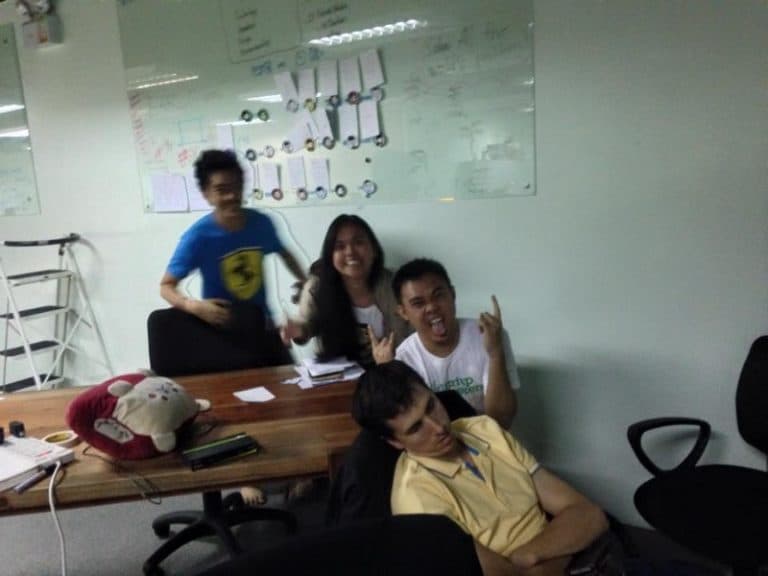
Oh, and as a founder, you need to sleep too... with caution.
You don't have to unclog toilets to be a successful entrepreneur. You do have to be willing to get up from the president's chair, walk over to whatever needs help and deal with it, even if your hands get dirty, because the company needs it. As Dave says:
"You have to question yourself: 'Do I really want to get my hands dirty?' You know, life's gonna throw you clogged toilets. How are you gonna handle it?"
Follow us on social media to see stories like this when we post them.
More from the blog

October 19, 2022 · 2 min read
How The Dollar Effect makes funds the least of a non-profit's worries
Non-profits spend too much time fundraising. The Dollar Effect is a subscription of 1 dollar per month to the non-profit you choose.
October 19, 2022 · 4 min read
Albert Padin's 5 tips to excel in the field of technology
Albert Padin, Symph's CTO and the first Google Developer Expert in the Philippines, shares 5 tips for doing well in tech, from starting early to keeping a pace your team can manage.

October 19, 2022 · 9 min read
Practical tips to stay productive working from home
Three months into working from home, Symphers share the tools, workspaces, music and habits that keep them productive.